Advertisement










In this episode of Prop Personalities, we sit down with Hars...
Luxury real estate is one of the most talked-about segments ...
Welcome to Prop Personalities by Prop News Time - a podcast ...
Airports play a much bigger role than just enabling travel -...
Why does the same hotel brand operate multiple properties in...
13 Apr 2026
Corporate leaders and music labels paid tribute to legendary singer Asha Bhosle, recognising her lasting impact on Indian music. Industry figures described her as an iconic voice whose work shaped generations across languages and genres. Leaders from companies such as Adani Group, Raymond, and RPG Enterprises highlighted her influence and enduring legacy. Major music labels including T-Series, Saregama, and Sony Music India acknowledged her contribution to the industry. With a career spanning decades and thousands of songs, Asha Bhosle's music continues to resonate widely, leaving a lasting imprint on India's cultural and entertainment landscape.Read more

11 Apr 2026
Integrated townships are increasingly shaping real estate development in India's Tier-2 cities as urban growth shifts beyond major metros. Driven by improved infrastructure, remote working trends, and changing homebuyer preferences, these cities are emerging as strong economic and residential hubs. With rising demand for space, affordability, and better living standards, both developers and institutional investors are focusing on large-scale township projects. These developments offer a mix of residential, commercial, and social infrastructure, making them self-sufficient ecosystems. The trend reflects a broader shift in how people choose to live, work, and invest across emerging urban centres.Read more

10 Apr 2026
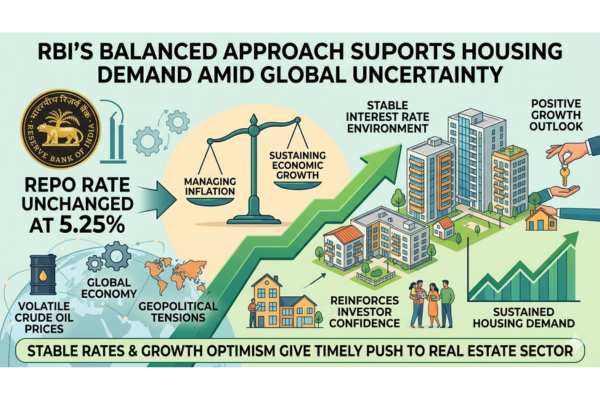
The Reserve Bank of India's decision to keep the repo rate unchanged at 5.25% has been viewed positively by real estate stakeholders, who expect it to support stable demand and buyer sentiment. Industry leaders believe that steady interest rates will help maintain affordability, keep EMIs predictable and provide developers with better visibility on financing costs. While global uncertainties and rising input costs remain concerns, the policy continuity is seen as a stabilising factor for both residential and commercial segments. The move is also expected to support long-term investments and sustain momentum across key housing markets.Read more
05 Apr 2026
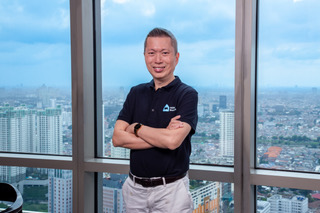
MilikiRumah, a Southeast Asia-focused PropTech firm, has outlined its approach to improving homeownership access through an AI-driven rent-to-own model targeting underbanked populations. In leadership insights shared in the past week, the company's CEO highlighted that affordability and access to housing remain key challenges across the region. Operated by PT Miliki Rumah Indonesia and backed by Singapore-based Rightkey Capital, the firm uses data and artificial intelligence to help renters transition into mortgage-eligible homeowners. The model is currently active in Indonesia, with plans to expand regionally. Industry adoption of AI in real estate, according to the company, is being driven by cost pressures, efficiency gains, and quality improvements across both developed and emerging markets.Read more
05 Apr 2026
Dubai's residential real estate market is witnessing renewed investor attention as global economic uncertainty drives capital towards stable markets. While geopolitical tensions have created cautious sentiment, Dubai has continued to attract inflows, particularly from India, Europe, and Asia. Select segments are seeing moderate price corrections and improved negotiation scope, offering entry opportunities for investors. Despite this, underlying demand remains stable, with prime locations continuing to hold or appreciate in value. Rental yields of 7-10%, policy measures such as the Golden Visa, and investor-friendly regulations have supported sustained interest. The market's resilience is underpinned by population growth, infrastructure development, and consistent demand from high-net-worth individuals.Read more
Advertisement


In this episode of Prop Personalities, we sit down with Hars...
Luxury real estate is one of the most talked-about segments ...
Welcome to Prop Personalities by Prop News Time - a podcast ...
Airports play a much bigger role than just enabling travel -...
Why does the same hotel brand operate multiple properties in...
04 Apr 2026
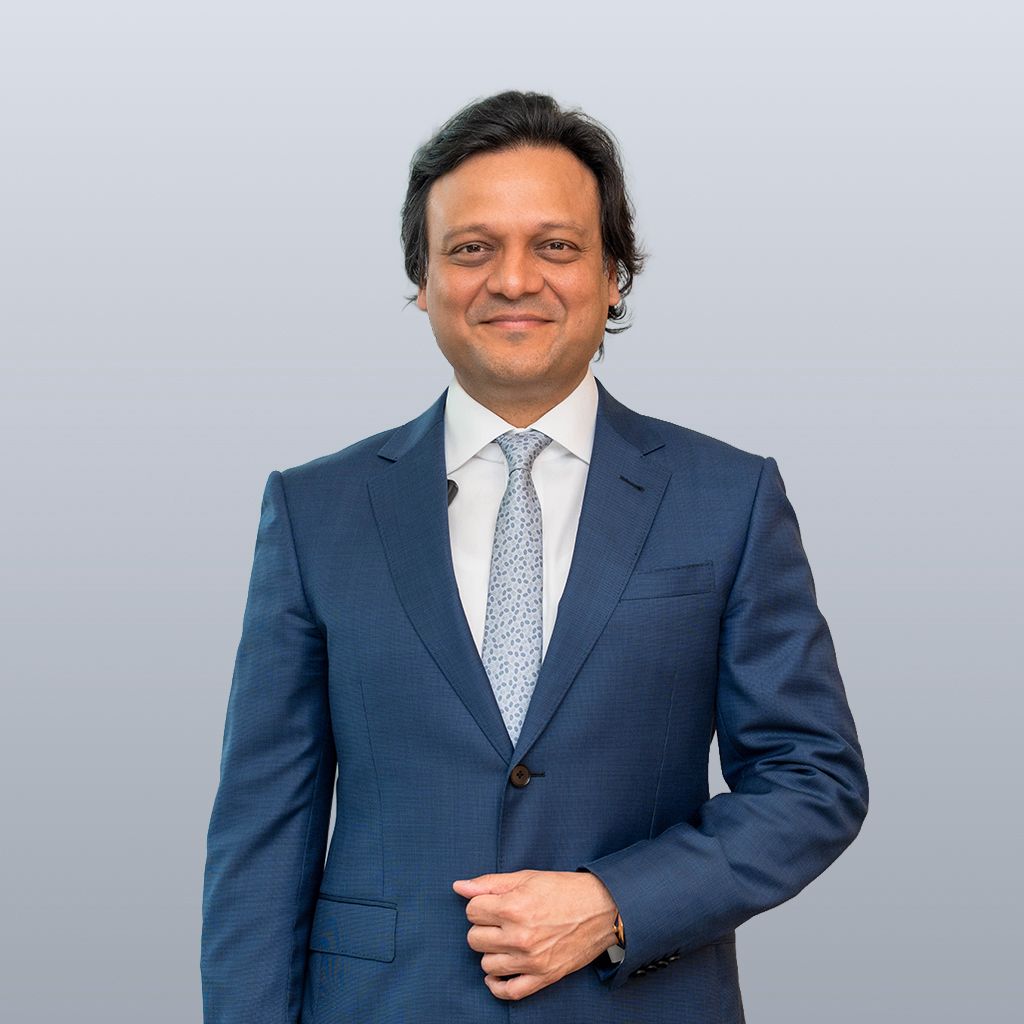
India's premium residential market is witnessing a structural shift towards boutique luxury housing, driven by evolving buyer preferences for design quality, privacy, and long-term value over scale and extravagance. According to industry estimates, nearly 66 per cent of residential sales in major cities during 2025 were for homes priced above INR 1 crore, reflecting rising demand in the high-end segment. Developers are increasingly focusing on low-density, design-led projects that prioritise sustainability, functionality, and micro-market location advantages. This transition also signals a move towards more disciplined development practices, with emphasis on construction quality, transparency, and lifecycle performance, as homebuyers become more selective and informed in their purchasing decisions.Read more
29 Mar 2026
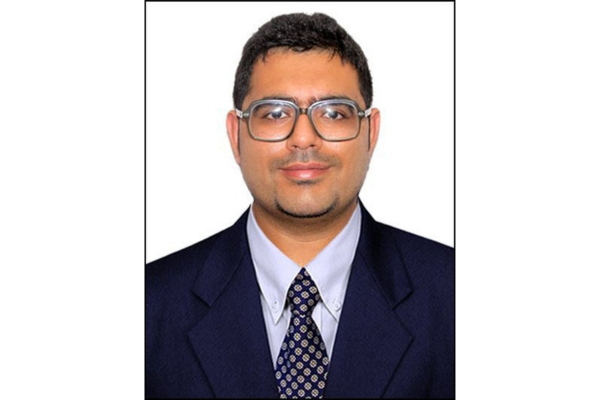
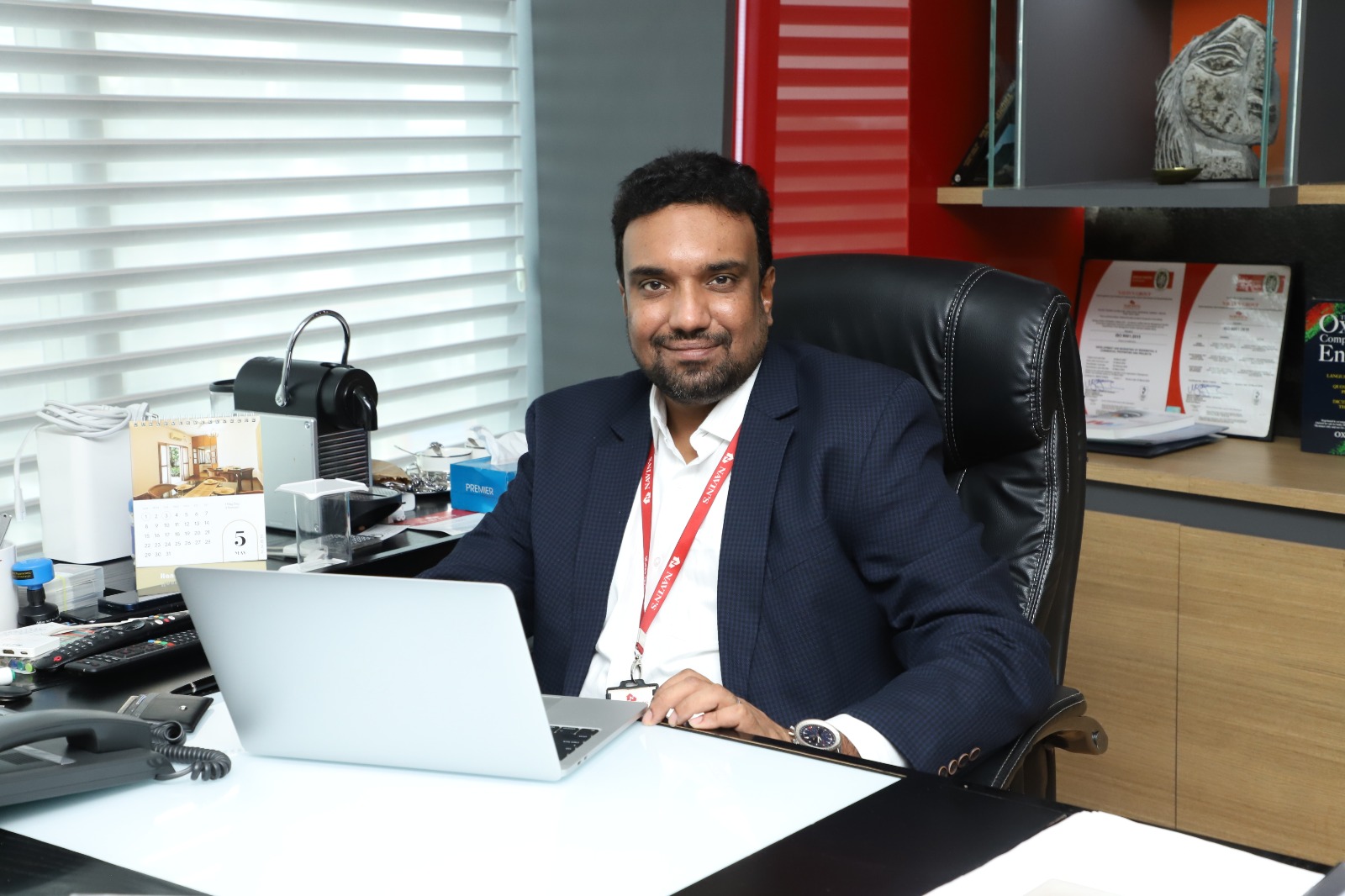
Urban expansion across Indian cities is increasingly being shaped by infrastructure development, influencing how new residential and investment micro-markets emerge. According to Navin Kumar of Navin's, improved connectivity through roads, metro networks and access to employment hubs is redefining location preferences. Areas once considered peripheral are gaining traction as infrastructure improves, creating multiple growth corridors instead of a single centralised zone. This shift is accelerating the formation of distinct micro-markets, each driven by connectivity and surrounding ecosystems. Developers are increasingly aligning land acquisition and project planning strategies with anticipated infrastructure expansion to capture early-stage demand and long-term value.Read more
29 Mar 2026
Kundli Sonipat is undergoing a structural shift as improved connectivity, expanding industrial activity, and growing social infrastructure reposition the micro-market within the National Capital Region. Located along NH-44, the corridor is benefiting from multiple transport upgrades, including the Delhi Metro Phase IV extension, the Delhi Panipat RRTS, and Urban Extension Road-II. These developments are being complemented by a strong industrial base led by logistics, manufacturing, and warehousing activity, supporting steady end-user demand. Educational institutions and healthcare facilities are also strengthening livability, prompting residential development aligned with actual occupancy. The corridor is increasingly being viewed as an integrated urban node rather than a peripheral extension of Delhi.Read more

28 Mar 2026
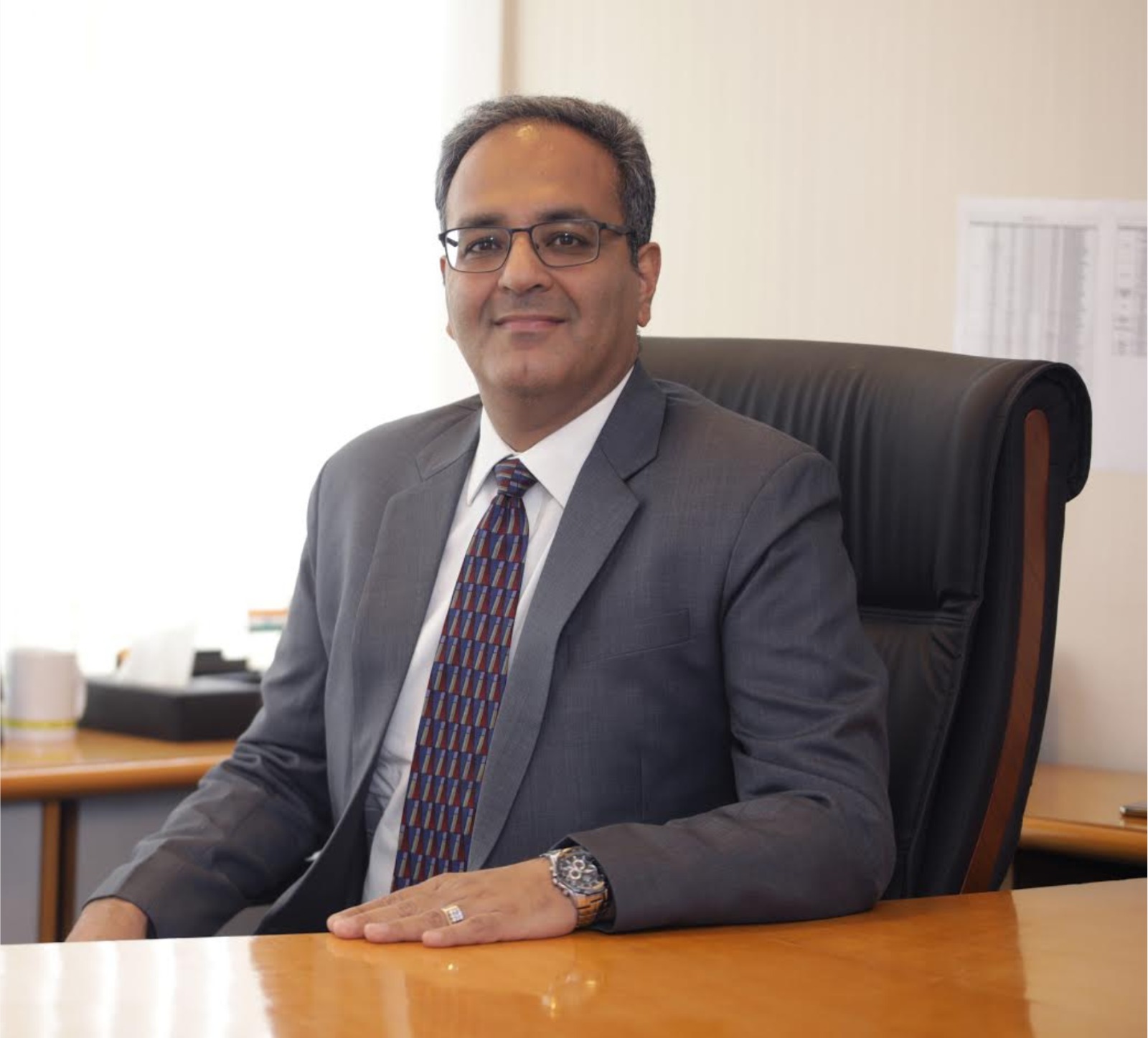
India's building material industry plays a critical role in supporting the country's infrastructure expansion and housing growth aligned with the Viksit Bharat vision, according to Sumit Bidani, chief executive of Knauf India. The sector contributes to safety, durability and environmental performance of construction through advancements in materials such as gypsum-based products. With increasing urbanisation, climate challenges and evolving building standards, demand for high-performance materials is rising. The industry is also shifting towards sustainable practices, including recyclable materials and energy-efficient production processes. These developments are positioned as essential to ensuring long-term resilience and efficiency in residential, commercial and infrastructure projects across India.Read more
28 Mar 2026
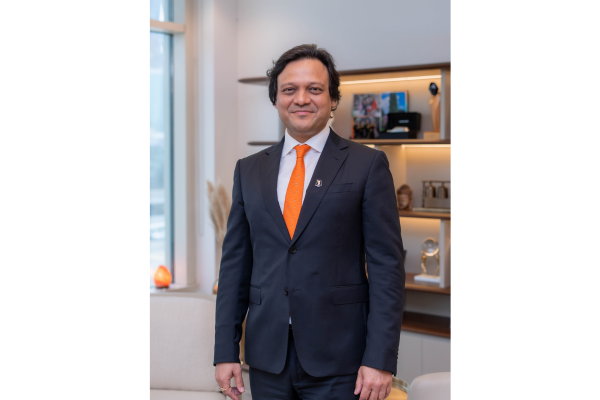
Global real estate is gaining prominence as a long-term wealth allocation tool among high-net-worth individuals and family offices, according to Porush Jhunjhunwala of Banke International Properties. With the global property market valued at approximately USD 390 trillion, investors are increasingly viewing real estate as a means of diversification, income generation and capital preservation. Cross-border investments in markets such as Dubai, London and Mumbai are being driven by structural factors including urbanisation, infrastructure development and regulatory stability. The approach emphasises long-term holding, disciplined asset selection and risk management through governance structures, as investors seek to balance returns with resilience across economic cycles.Read more
Advertisement